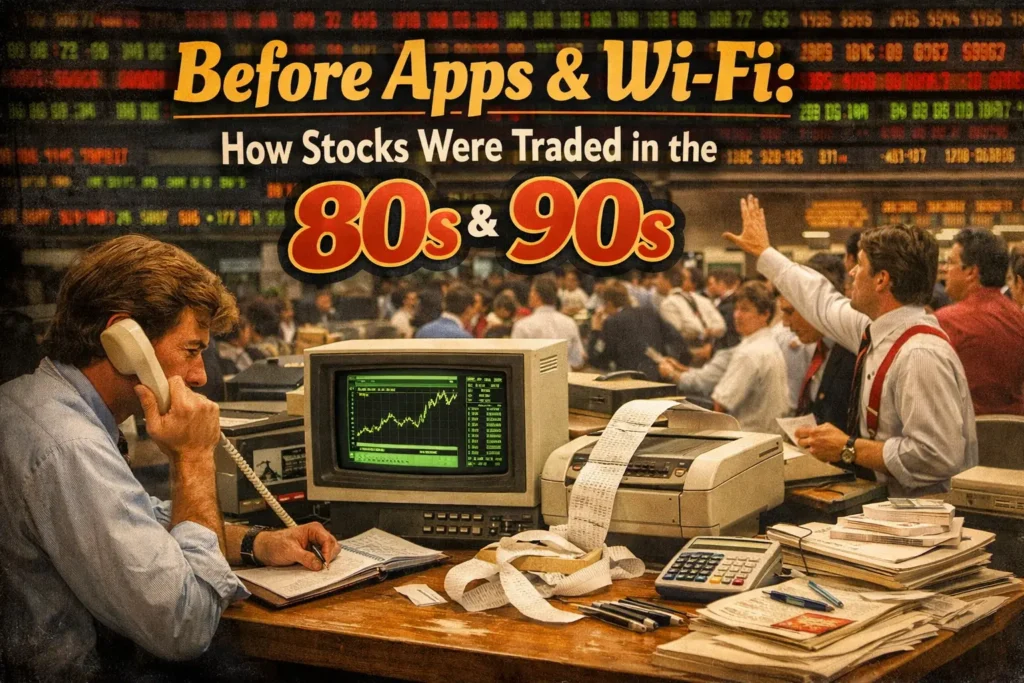
Before Apps & Wi-Fi: How Stocks Were Traded in the 80s & 90s
🕰️ A Time When Trading Meant Paper, Phones & Patience
Imagine this…
No mobile apps.
No charts on your screen.
No instant buy/sell buttons.
Yet, people were actively trading stocks—and making fortunes.
Welcome to the pre-internet era of stock markets, where trading was slower, chaotic, and surprisingly human.
Calling Your Broker (Yes, Literally)
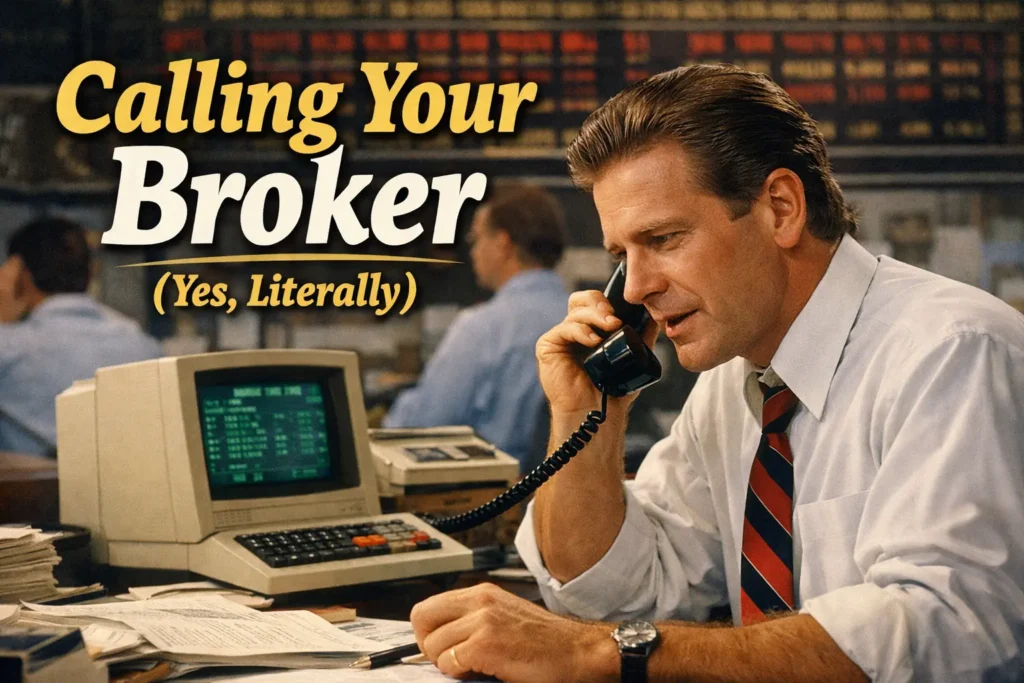
Before platforms like Zerodha or Groww existed, investors couldn’t trade directly.
👉 You had to call a stockbroker.
- “Buy 100 shares of Tata Steel!”
- “Sell Reliance now!”
The broker would:
- Write your order manually
- Take it to the trading floor
- Execute it when possible
📌 There was no instant execution—it could take minutes or even hours.
🏛️ Step 2: The Trading Floor Chaos
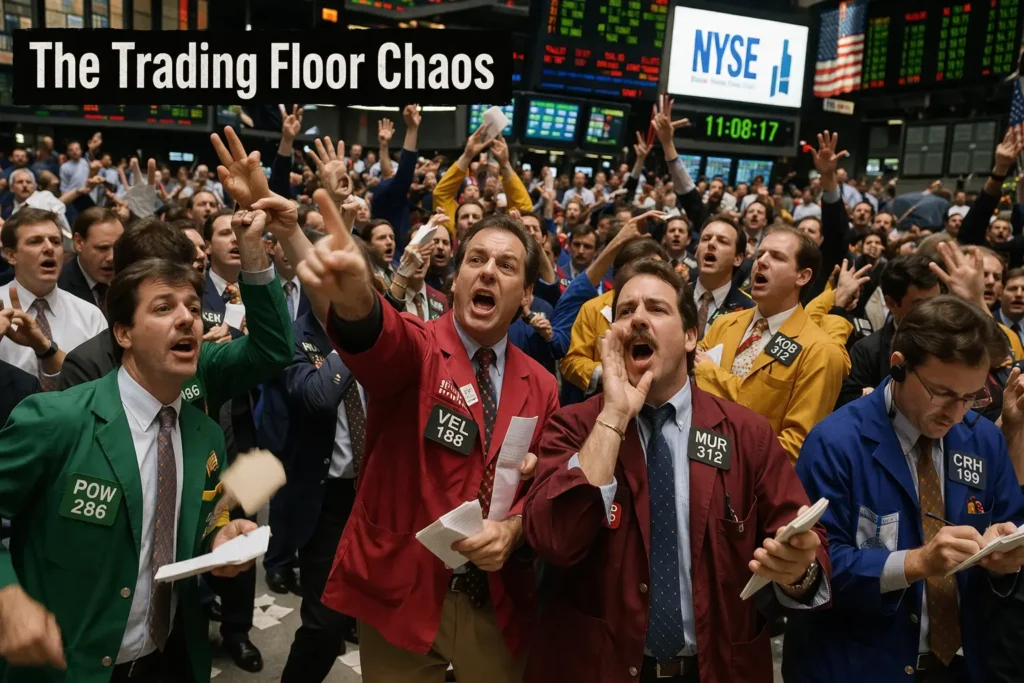
Trading happened physically inside exchanges like the Bombay Stock Exchange.
This system was called “Open Outcry”.
👥 What it looked like:
- Brokers shouting prices
- Hand signals flying everywhere
- Paper slips exchanging hands
- Pure chaos—but organized
💡 Prices were discovered through human negotiation, not algorithms.
📜 Step 3: Paper Share Certificates
Buying a stock didn’t mean a digital entry.
You actually received a physical certificate.
📄 These certificates:
- Had your name printed
- Represented ownership
- Needed to be safely stored
⚠️ Risks:
- Lost certificate = lost shares
- Fake certificates (fraud was common)
- Long transfer delays
⏳ Step 4: Settlement Took Weeks
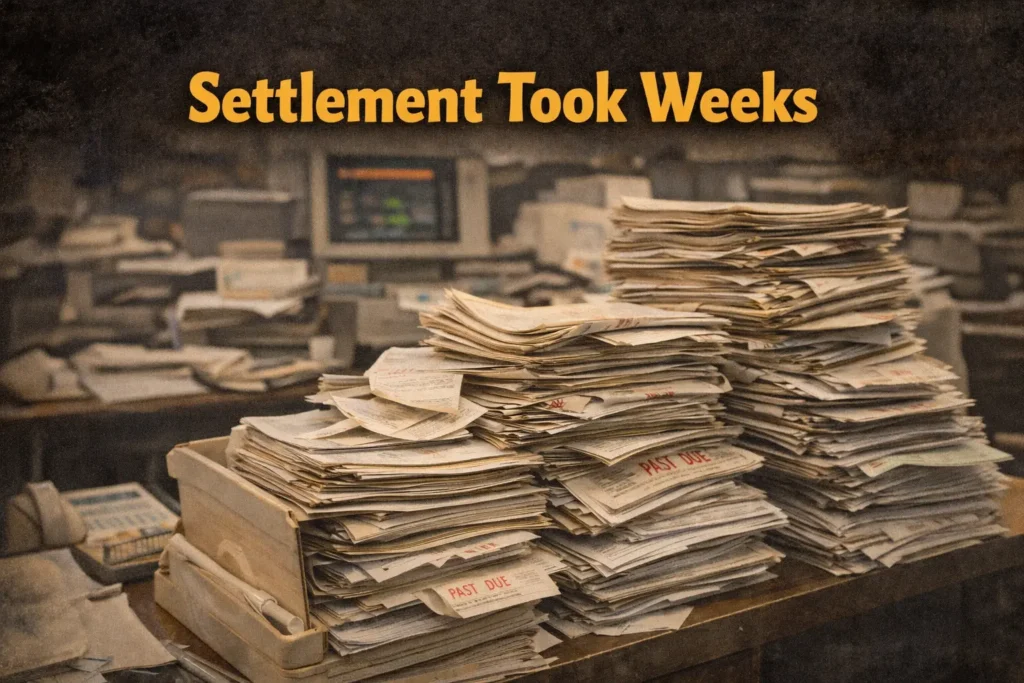
Today, trades settle in T+1 or T+2 days.
Back then?
👉 Settlement could take 2–3 months.
Process:
- Trade executed
- Paper documents exchanged
- Ownership transferred manually
📌 This delay made trading slow and risky.
🧾 Step 5: No Real-Time Prices
Investors didn’t have live charts.
📺 Prices came from:
- Newspapers (next day)
- TV tickers (delayed)
- Broker updates
💡 Many people traded without knowing exact current prices.
💰 Who Made Money Then?
Interestingly, many traders still succeeded.
Why?
- Less noise, fewer traders
- No algorithmic competition
- Long-term thinking was common
- Insider networks were stronger (sometimes unfairly)
⚠️ The Dark Side of Old Trading
The system wasn’t perfect.
❌ Common issues:
- Price manipulation
- Insider trading
- Fake share certificates
- Delayed settlements causing disputes
This eventually led to major reforms in India.
🔄 The Turning Point: Digital Revolution
Everything changed after the 1990s.
With the introduction of:
- National Stock Exchange of India (1992)
- Electronic trading systems
- Demat accounts
📈 Trading became:
- Faster
- Transparent
- Accessible to everyone
🚀 Then vs Now (Quick Comparison)
| Feature | 80s & 90s | Today |
|---|---|---|
| Order Placement | Phone call | Mobile app |
| Execution Speed | Minutes–hours | Seconds |
| Ownership | Paper certificates | Demat (digital) |
| Settlement | Weeks/months | 1–2 days |
| Price Info | Delayed | Real-time |
🧠 Final Thought
The stock market hasn’t changed in purpose—but everything else has.
👉 Earlier, trading required:
- Trust
- Patience
- Human connections
👉 Today, it requires:
- Speed
- Data
- Strategy
But one thing remains the same:
The market still rewards those who understand it—not just those who access it.